Alessandra Ponte
Biographical interview
SUMMARY
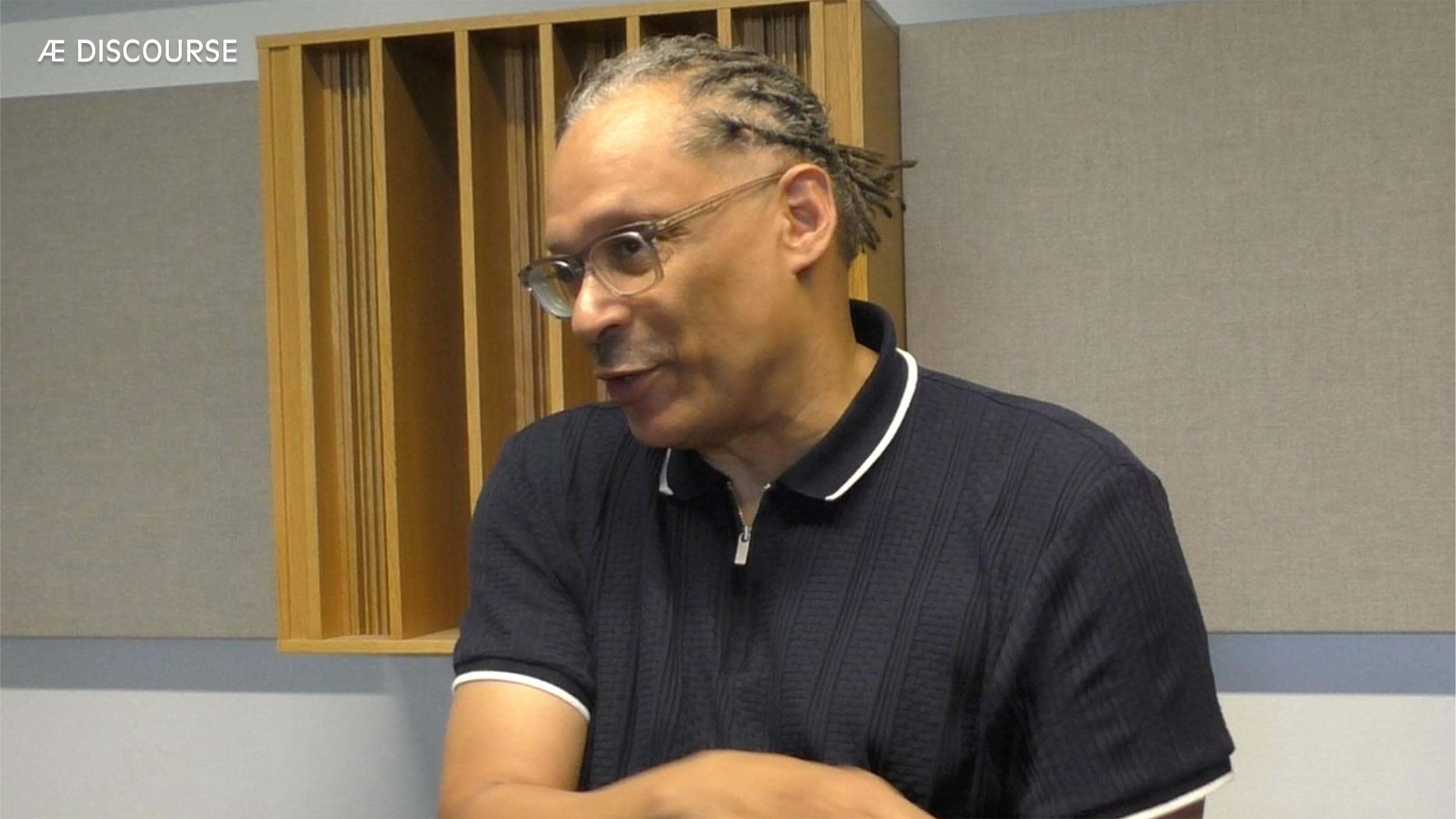
In this interview, Alessandra Ponte traced her career across Italy, the United States, and Canada. Born in Venice to parents from different social classes, she grew up immersed in literature, opera, and art. At thirteen, she entered Venice’s rigorous art high school. Ponte also recalled the violence of the anni di piombo, including the 1980 Bologna railway station bombing, which left her stranded in the city for hours.
At the IUAV in Venice, she engaged with the work of Michel Foucault, Gilles Deleuze, Martin Heidegger, and Walter Benjamin, attended Jacques Lacan’s lectures, and participated in a year-long seminar on Sigmund Freud. At Giancarlo De Carlo’s Urbino summer school, she encountered Patrick Geddes’s Cities in Evolution, which shaped her master’s thesis on Geddes and urban planning. Her doctoral research with Manfredo Tafuri led her to landscape debates between Richard Payne Knight and Humphry Repton. Teaching at Princeton introduced her to the deserts of the American West and expanded her interest in landscape. At the Université de Montréal, she extended this work through concepts of milieu, Umwelt, and territory, influenced by Peter Sloterdijk and the history of science.
At the IUAV in Venice, she engaged with the work of Michel Foucault, Gilles Deleuze, Martin Heidegger, and Walter Benjamin, attended Jacques Lacan’s lectures, and participated in a year-long seminar on Sigmund Freud. At Giancarlo De Carlo’s Urbino summer school, she encountered Patrick Geddes’s Cities in Evolution, which shaped her master’s thesis on Geddes and urban planning. Her doctoral research with Manfredo Tafuri led her to landscape debates between Richard Payne Knight and Humphry Repton. Teaching at Princeton introduced her to the deserts of the American West and expanded her interest in landscape. At the Université de Montréal, she extended this work through concepts of milieu, Umwelt, and territory, influenced by Peter Sloterdijk and the history of science.
BIOGRAPHY
Alessandra Ponte is a professor at the École d’ architecture, Université de Montréal. She has also taught at the schools of architecture of Princeton University, Cornell University, Pratt Institute New York, the ETH Zurich, and at the Istituto Universitario di Architettura di Venezia. Since 2008 she has been responsible for the conception and organization of the Phyllis Lambert International Seminar, annual colloquia held at the Université de Montréal, addressing current topics in landscape and architecture.
CATALOGUE
INDEX
No tags assigned to this post.