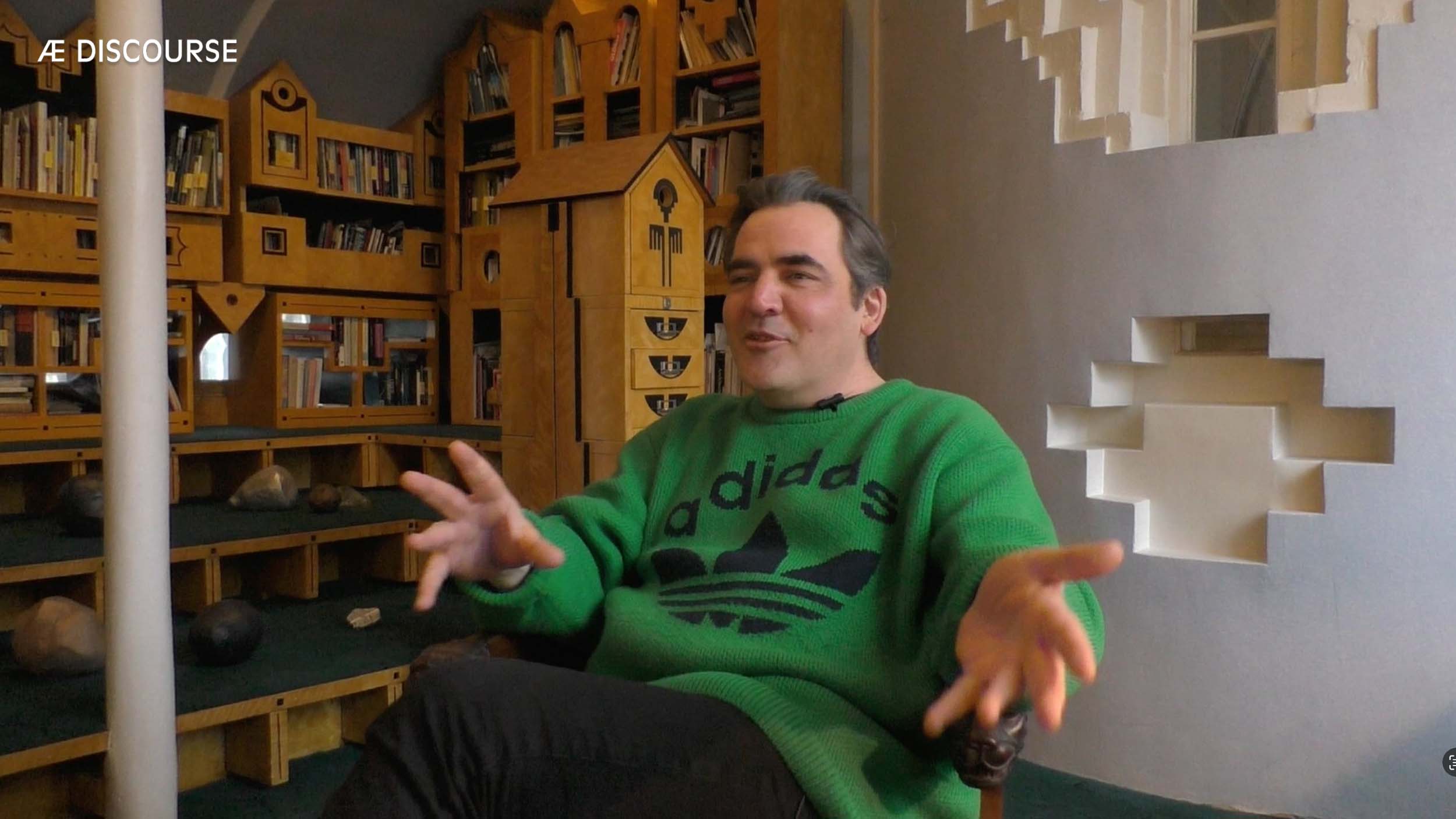
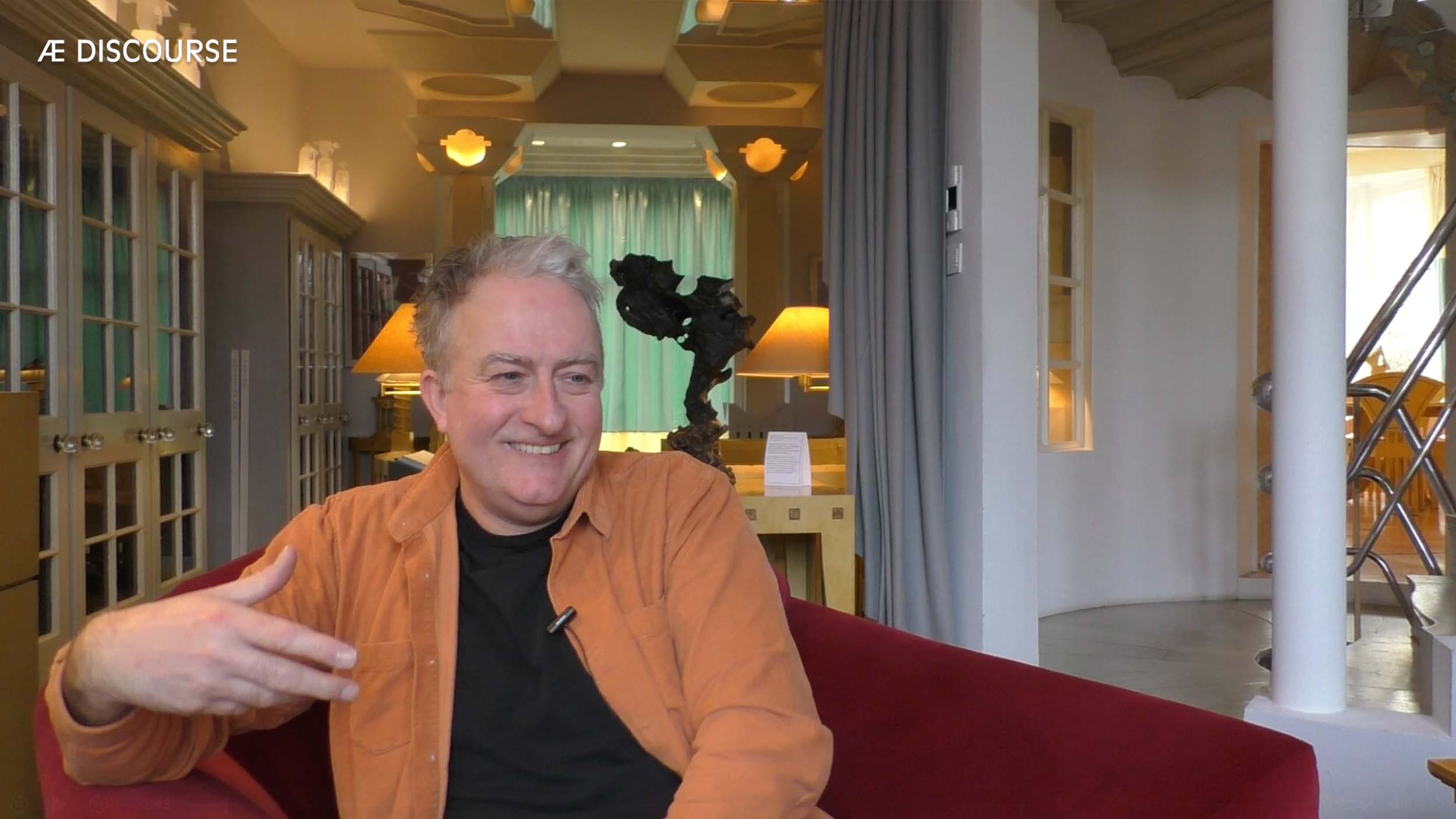
Patrik Schumacher
Biographical interview
SUMMARY
In this interview, Patrik Schumacher, principal of Zaha Hadid Architects, discussed how his political development shaped his architectural work. As a student in Stuttgart in the mid-1980s, he identified as a Marxist and Communist, wrote a critique of Archigram and Superstudio, and later joined Trotskyist organizing and Marxist reading groups in London. While exploring market socialism and questioning state planning, Schumacher encountered Gilles Deleuze and Félix Guattari’s A Thousand Plateaus in Kevin Rhowbotham’s studio. It informed his interest in distributed, networked, and dynamic organization, which he later connected with post-Fordist discourse, self-directed management, and Niklas Luhmann’s social theory.
These ideas shaped his involvement with the Design Research Laboratory, founded at the Architectural Association in 1995 by Brett Steele. Its projects and students contributed to the computational and parametric methods later developed at Zaha Hadid Architects. Although Schumacher no longer identifies as a Marxist or Communist, he explained that his earlier political engagement continues to influence the practice’s architectural approach.
These ideas shaped his involvement with the Design Research Laboratory, founded at the Architectural Association in 1995 by Brett Steele. Its projects and students contributed to the computational and parametric methods later developed at Zaha Hadid Architects. Although Schumacher no longer identifies as a Marxist or Communist, he explained that his earlier political engagement continues to influence the practice’s architectural approach.
BIOGRAPHY
Patrik Schumacher is principal of Zaha Hadid Architects (ZHA) and Chairman for life of the Employee Benefit Trust owning ZHA. He is leading the firm since Zaha Hadid’s passing in March 2016. He joined Zaha Hadid in 1988 and was seminal in developing Zaha Hadid Architects to become a 500 strong global architecture and design brand.
CATALOGUE
INDEX
No tags assigned to this post.