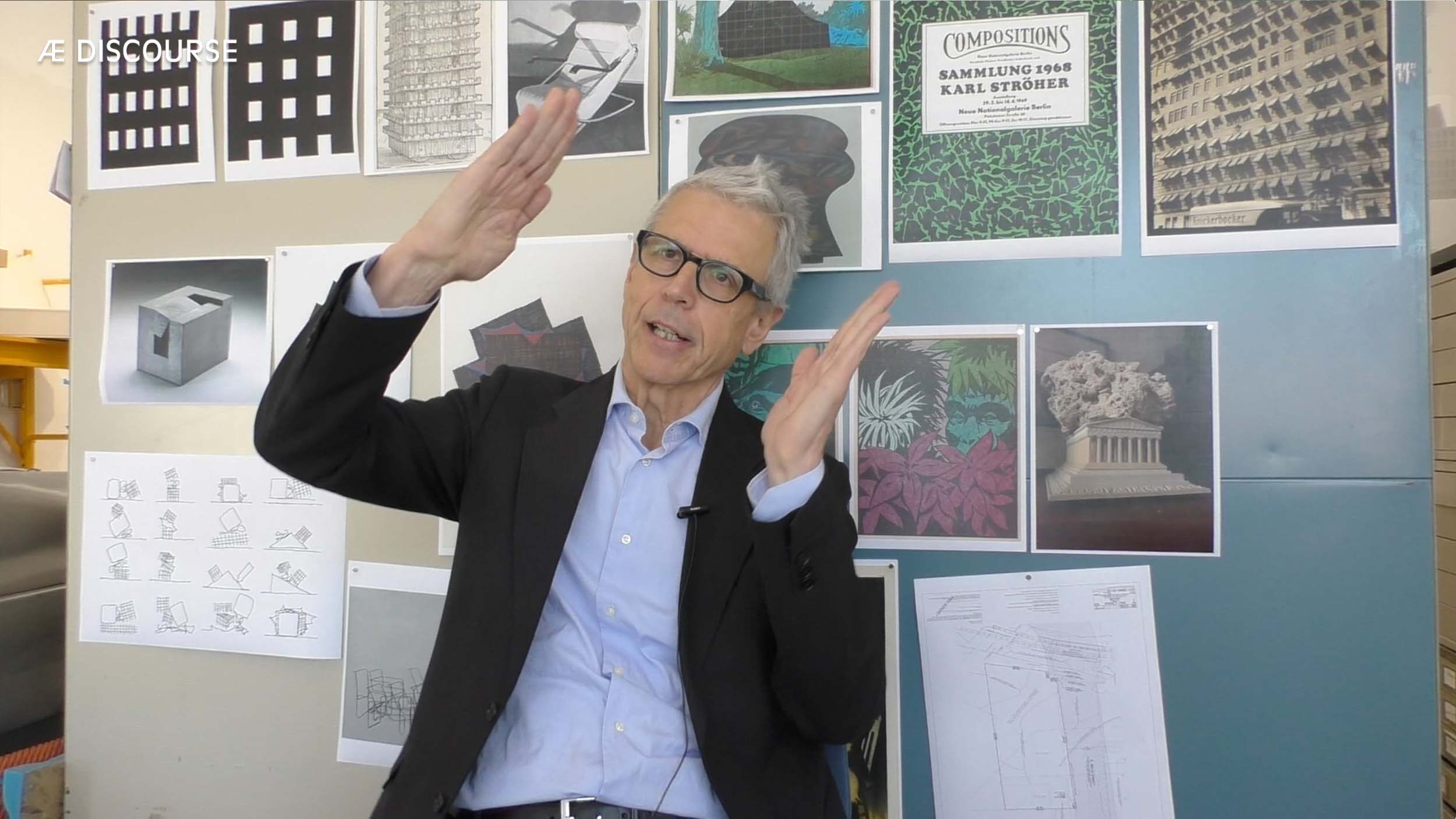
Hernán Díaz Alonso
Biographical interview
SUMMARY
In this interview, Hernán Díaz Alonso described how architectural ideas circulated globally before the internet. Studying in Rosario, Argentina, from 1987 to 1993, he encountered a curriculum centered on fixed typologies and modernist figures such as Mies van der Rohe and Le Corbusier. Argentina’s cultural ties with Spain nevertheless brought architects including Oriol Bohigas and Enric Miralles to lecture in Buenos Aires. Díaz Alonso and his friends also collectively purchased and shared costly issues of El Croquis, which introduced them to the work of Daniel Libeskind, Peter Eisenman, Morphosis, and Zaha Hadid, as well as architectural debates largely absent from their education. A turning point came when Alejandro Zaera-Polo lectured in Buenos Aires. Díaz Alonso attended the dinner afterward, where Zaera-Polo encouraged him to study at Columbia University, then led by Bernard Tschumi and experimenting with digital tools. A professor educated in the United States and his classmate Marcelo Spina provided further connections. His account showed how motivated students could access broader architectural conversations despite the limitations of formal education in a pre-internet world.
BIOGRAPHY
Hernán Díaz Alonso assumed the role of SCI-Arc director beginning in the 2015 academic year. He has been a distinguished faculty member since 2001, serving in several leadership roles, including coordinator of the graduate thesis program from 2007–10, and graduate programs chair from 2010–15. He is widely credited with spearheading SCI-Arc’s transition to digital technologies, and he played a key role in shaping the school’s graduate curriculum over the last decade.
CATALOGUE
Joseph Bedford
11/11/2024
Format
Biographical interview
Joseph Bedford
INDEX
No tags assigned to this post.