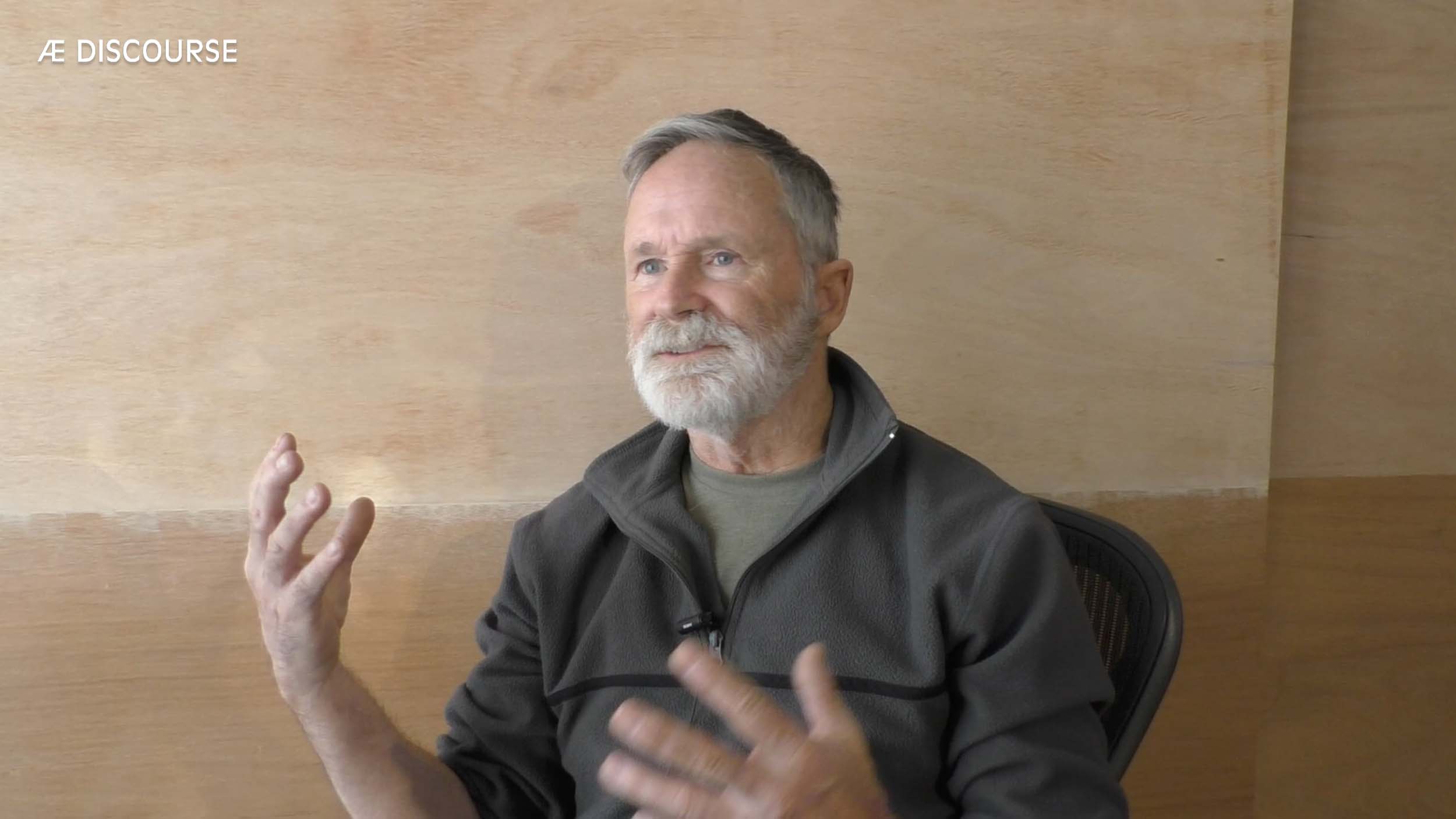
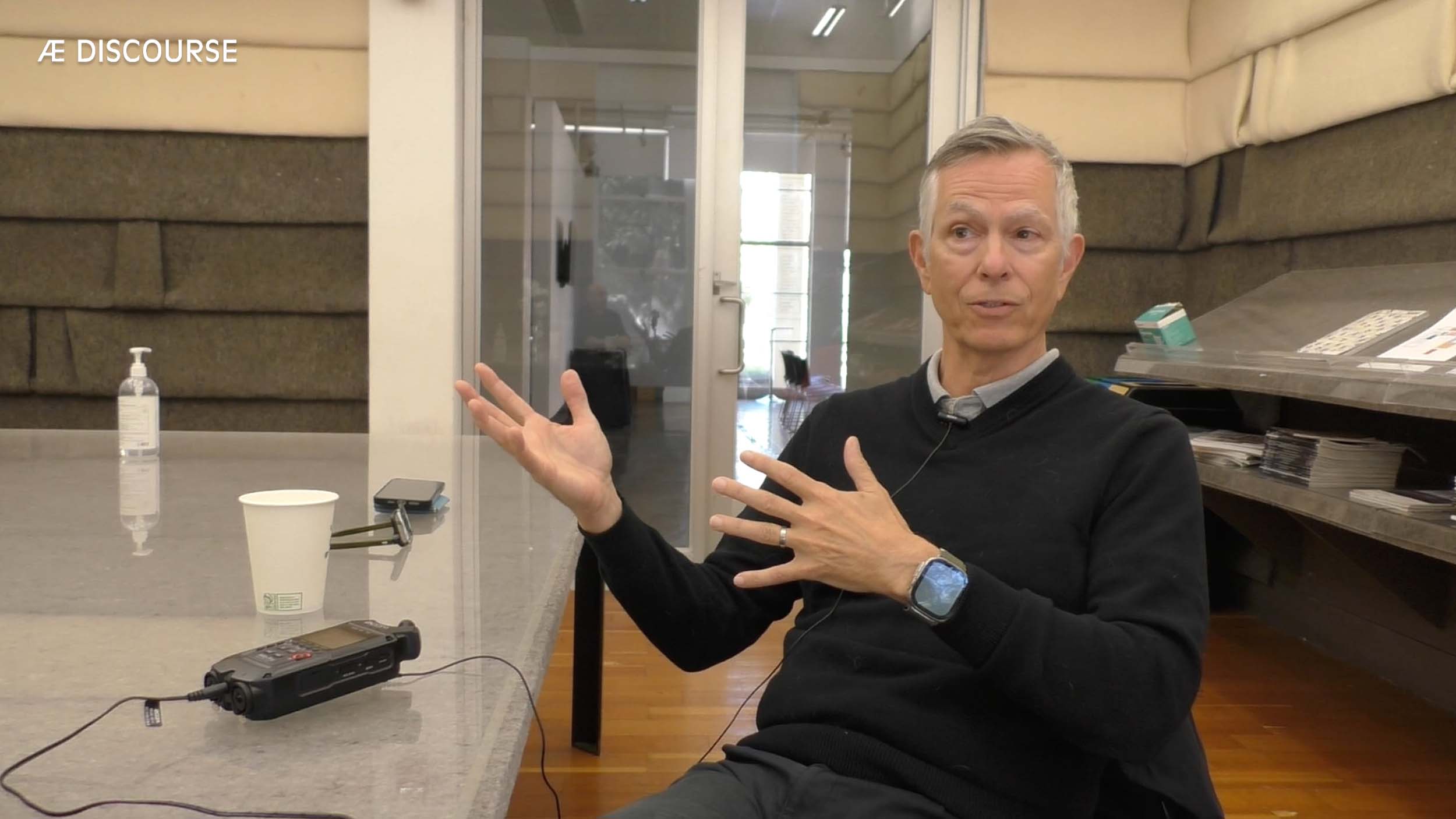
Maristella Casciato
Biographical interview
SUMMARY
In this interview, Maristella Casciato discussed Italy’s architectural history culture from the mid-1960s to the mid-1980s, before PhD programs existed in the field. Research was often self-initiated and sustained through informal institutions and debate. Manfredo Tafuri ran an institute near the Pantheon, while forums such as I lunedì dell’architettura brought Tafuri, Bruno Zevi, and Paolo Portoghesi together for public discussion.
After graduating from La Sapienza, Casciato entered this environment while undertaking a decade-long study of Dutch modern architecture. She also organized Portoghesi’s photographic archive and worked for Officina Edizioni. She connected this culture of research outside universities to Rome’s historical setting, Zevi’s belief in history’s architectural relevance, Tafuri’s political approach, and state support for culture. Her 2010 attempt to establish a PhD program in Bologna suggested that historical research was no longer similarly valued. She subsequently moved to North America, working at the CCA and the Getty and advancing scholarship through archives. Her account questioned what conditions sustain architectural history and whether universities alone can provide them.
After graduating from La Sapienza, Casciato entered this environment while undertaking a decade-long study of Dutch modern architecture. She also organized Portoghesi’s photographic archive and worked for Officina Edizioni. She connected this culture of research outside universities to Rome’s historical setting, Zevi’s belief in history’s architectural relevance, Tafuri’s political approach, and state support for culture. Her 2010 attempt to establish a PhD program in Bologna suggested that historical research was no longer similarly valued. She subsequently moved to North America, working at the CCA and the Getty and advancing scholarship through archives. Her account questioned what conditions sustain architectural history and whether universities alone can provide them.
BIOGRAPHY
Maristella Casciato is senior curator of architectural collections at the Getty Research Institute. Casciato was a tenured associate professor of history of architecture at the University of Bologna, School of Architecture from 2002-2012. Prior to that, she taught history of architecture at the University of Rome Tor Vergata. She has lectured widely at European and North American universities and has organized and chaired several international symposia. Casciato’s scholarly studies focus on the history of the twentieth-century European architecture and the theory of the conservation of our recent past.
CATALOGUE
Joseph Bedford
15/11/2024
Format
Biographical interview
Joseph Bedford
INDEX
No tags assigned to this post.